





Aluminium Coils
Contents |
[edit] Introduction
Metals with ductility usually have good electrical and thermal conductivity, and are often used in the construction industry. One such light metal with a high strength-to-weight ratio and high strength is aluminium. Aluminium coils come in a variety of sizes and shapes, as well as a variety of colours and finishes. It is soft, non-magnetic and has a silvery-white appearance. With its high electrical conductivity, it is also the metal of choice for high-power transmission lines.
[edit] Advantages of aluminium coil
- It is cheaper than some other metals such as copper.
- It has good electrical conductivity.
- It is flexible and easy to produce in large quantities.
[edit] Uses of aluminium coil
Aluminium has signature properties: ductility, rust resistance, corrosion resistance, etc. and thus has been adopted in a variety of applications. Aluminium coil is used for:
[edit] Architectural finishes
Due to its corrosion resistance, strength, machinability and weldability, aluminium coil is commonly used for architectural decoration. In addition to surface finishes, some construction projects rely on aluminium coil to for structures, windows, doors, ceilings, curtain wall profiles, pressed panels, painted panels and more.
[edit] Food Industry
The main reason why food cans are made from aluminium coils is because of its ductility, rust resistance and corrosion resistance. In addition to cans, aluminium coils also help produce lids, bottles and other packaging.
[edit] Transportation
Automobiles and other vehicles can be made of aluminium coils. This is because such vehicles require lightweight, durable and rust-resistant. Most transportation vehicles that rely on aluminum coil construction include engine components, air conditioners, radiators, wheels, doors, etc.
[edit] Electrical and electronics
Although the metal does not conduct electricity as well as copper, aluminium coils are used in many electronic products. Aluminium is often used for wiring because its corrosion resistance ensures that the wire will last a long time. This is why things like power cords and air conditioners with electrical components have a long life.
[edit] Related articles on Designing Buildings
- Alloy.
- Aluminium decking.
- Cast iron.
- Copper.
- Difference between cast iron and wrought iron.
- Failure of metals.
- Flashing.
- Galvanised steel.
- Iron.
- Lead.
- Lead in construction.
- Major cast metal components.
- Metal.
- Metal fabrication.
- Metal roofing.
- Potash.
- Stainless steel.
- Structural principles.
- Structural steelwork.
- Types of metal.
- Types of steel.
- Weathering steel.
- Zinc.
Featured articles
Check out some of the best features and news from Designing Buildings as well as key stories from around the web.

Communities will be able to build their own clean energy.
Why diversity and inclusion matters for SMEs

CIOB’s D&I Charter shows how practical changes can support long-term growth.
Cut electricity bills to power growth

Coalition sends joint letter to the Chancellor.

Gasholders: a history in pictures. Book review.
Recognition, influence and growth

SocEnv identifies three strategic pillars in new strategy to 2045.
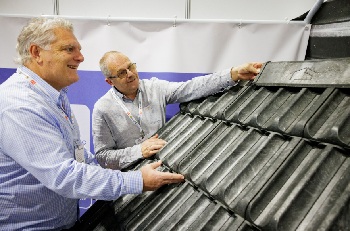
Discover the future of roofing, cladding and insulation.

New guidance for professional practice, cultural change and regulation in social housing.
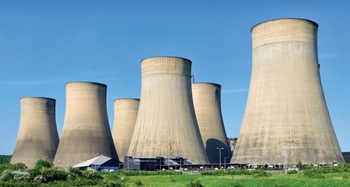
The heritage of nuclear and conventional power stations.
New measures to stop people being ripped off

Government to protect families from cowboy builders and aggressive bailiffs.

New Futurebuild showcase brings an innovation-first approach.
National Planning Policy Framework
Understanding the 2026 changes.
ECA's public affairs priorities
Member consultation opens to shape priorities for 2027 to 2030.